
If you’ve owned your Dade City home for more than a few years, there’s a good chance your current property tax bill is a lot lower than what your buyer will actually pay after closing — and that gap can quietly derail a sale if nobody explains it ahead of time. It’s one of the most misunderstood parts of selling a home in Florida, and it happens to be administered right here in our own backyard: the Pasco County Property Appraiser’s main office receives mail at P.O. Box 401, Dade City, FL 33526.\n\nHere’s the issue. Florida’s Save Our Homes amendment caps how much the assessed value of a homesteaded property can increase each year. According to the Pinellas County Property Appraiser, this benefit is the difference between a home’s assessed value and its market value that builds up over years of ownership. If you bought your Dade City home a decade ago and have lived in it as your primary residence ever since, your assessed value has likely been capped well below what the home would sell for today. That’s great for you — but the moment you sell, that cap disappears for the new owner. Your buyer’s first full tax bill will typically be based on the home’s actual sale price, not your old assessed value, which often means a noticeably higher bill than what shows up on the current tax record in the MLS listing.\n\nThis matters to you as a seller for two reasons. First, savvy buyers (and their lenders) are increasingly asking for an estimated post-sale tax bill before they’ll commit, especially on higher-priced resales in areas like Wesley Chapel and Land O’ Lakes where new assessments can jump significantly. Sellers who get ahead of this conversation — by providing a realistic tax estimate at the new sale price rather than letting a buyer discover it during underwriting — tend to keep deals from unraveling in the final stretch. Second, and often overlooked, is what this same rule means for you personally if you’re also buying another home in Florida.\n\nIf you’ve had a homestead exemption on your Dade City property, you may be eligible to carry your accumulated Save Our Homes savings to your next Florida homestead through a process called portability. Per the Palm Beach County Property Appraiser’s office, Florida allows homeowners to transfer up to $500,000 of accumulated Save Our Homes savings to a new homestead property, provided the new homestead is established within a set window after leaving the old one. That window was expanded from two years to three years after Florida voters approved a constitutional amendment in 2020, as documented by Florida’s official election records. In practical terms, if you’re selling your Dade City home to move into a different home in San Antonio, Zephyrhills, or even Spring Hill, you don’t necessarily start over at full market-value taxation — you may be able to bring meaningful savings with you, as long as you file the required portability form by the March 1 deadline for the year you establish your new homestead.\n\nThe amount you can port depends on whether you’re upsizing or downsizing. If your new home’s market value is equal to or higher than your old home’s, you can generally transfer your full accumulated benefit up to the cap. If you’re downsizing, only a proportional share transfers, calculated by comparing the two homes’ market values. This is exactly the kind of detail that’s easy to miss in the excitement of listing a home, but it can mean thousands of dollars in either direction depending on your timeline.\n\nSo what should a Dade City seller actually do with this information? Before you list, ask your agent to pull an estimated non-homesteaded tax figure at your anticipated sale price and include it in your listing materials or seller disclosure conversation — this heads off buyer surprise at underwriting and keeps negotiations from stalling late in the process. If you’re also buying your next Florida homestead, check with the Pasco County Property Appraiser’s office (or the appraiser in whichever county you’re moving to) about your specific portability amount before you finalize your closing date, since the three-year clock starts running once you no longer claim homestead on your current property. And if your move crosses county lines — say from Dade City into Hernando County near Spring Hill — portability still applies statewide, but the paperwork has to be filed with your new county’s appraiser, not Pasco’s.\n\nNone of this changes what your home is worth. But it does change how smoothly your sale closes and how much you keep in your pocket on the other side of it. In a market where buyers are more rate- and payment-sensitive than they’ve been in years, being the seller who already has these numbers ready is a real competitive advantage — and it’s the kind of hyper-local detail that only comes from working with someone who tracks Pasco County property records closely, not just national market trends.\n\nIf you’re weighing a sale in Dade City or anywhere across our service area and want a clear picture of your Save Our Homes position, your buyer’s likely tax bill, and your portability options before you list, we’re happy to walk through the numbers with you.\n\nMichael Lopez, Real Estate Professional | Compass\n(561) 251-7220 | mike.lopez@compass.com\nEqual Housing Opportunity\n\n#DadeCityFL #WesleyChapelFL #ZephyrhillsFL #LutzFL #SpringHillFL #LandOLakesFL #SanAntonioFL #RealEstateAgent #Realtor
This post is for general informational purposes only and does not constitute legal, financial, or real estate advice. Consult a licensed professional for guidance specific to your situation.
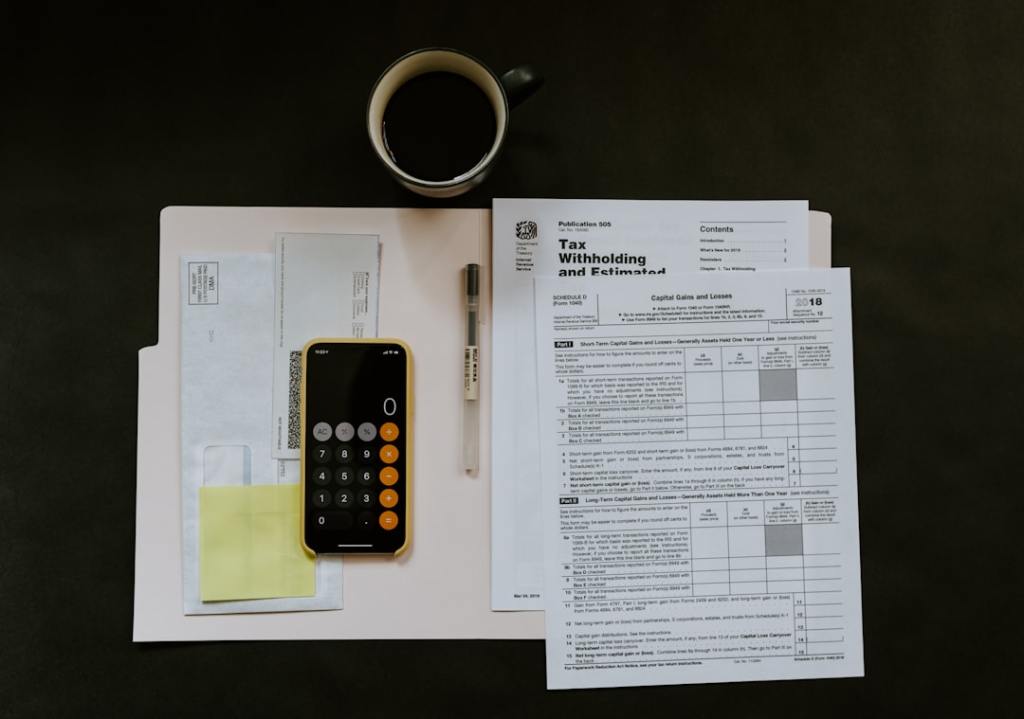
Photo for illustrative purposes only and may not depict the actual property or location discussed.


Leave a Reply