
If you own a home, a piece of acreage, or a historic property near downtown Dade City and you’ve ever wondered whether it could be listed on Airbnb or Vrbo — or if you’re already renting it short-term and thinking about selling — Pasco County’s short-term rental rules are worth understanding before you put a sign in the yard. These regulations affect pricing, marketing, and even how quickly a sale can close, and they’re more layered than most sellers expect.\n\nThe State Sets the Floor, Not the Ceiling\n\nFlorida law gives short-term rental owners some baseline protection, but it’s narrower than many people assume. State preemption under Chapter 509.032(7)(b) limits local governments’ ability to restrict STR duration/frequency unless an ordinance predates June 1, 2011. On top of that, a license from the Florida Department of Business and Professional Regulation (DBPR) is required for transient rentals rented more than three times per year or for less than 30 days. That state license is just the starting point — Pasco County and each incorporated city layer their own requirements on top.\n\nWhat Unincorporated Pasco County Requires\n\nFor properties in unincorporated Pasco County — think much of the acreage and rural subdivisions surrounding Dade City, San Antonio, and Land O’ Lakes — the county’s Land Development Code sets real hurdles. To legally operate a short-term rental in Pasco County, property owners must obtain a conditional use permit and register each rental unit annually with the Pasco County Growth Management/Zoning Department. Beyond the permit, hosts must pay the required registration fee and obtain an occupational license from the Tax Collector.\n\nThere’s also a subdivision-level rule that catches many sellers off guard: platted subdivisions and condominiums may only be authorized as a whole or by distinct section. In practice, that means one homeowner in a platted neighborhood generally can’t unilaterally decide to short-term rent unless the entire subdivision — or the specific section it sits in — has already been approved for that use. If you’re selling in one of the newer platted communities off US-98 or SR-52, this is a detail worth confirming before you market “Airbnb potential” as a selling point.\n\nOperational rules apply too. Per county guidance compiled by industry sources, maximum occupancy is two persons per separate, enclosed bedroom, and a minimum stay of six days applies. And once you take any short-term booking, don’t forget the tax side: all vacation rentals, transient lodging, and bed and breakfasts on which payment is made to rent, lease, let, or use for a period of six months or less are subject to the County’s Tourist Development Tax and collections under Chapter 102 of the Pasco County Code.\n\nOne More Wrinkle: Accessory Dwelling Units\n\nIf your property includes a mother-in-law suite, guest cottage, or detached ADU you were hoping to rent nightly, know that the county closed that door in 2025. Pasco County’s Board of County Commissioners approved a comprehensive plan amendment permitting ADUs in single-family residential zoning districts, but short-term rentals are prohibited for all Pasco County ADUs — Airbnb and VRBO uses are not permitted, though long-term rentals are allowed. For sellers marketing a property with a detached unit, this is an important distinction between long-term rental income potential and short-term hosting.\n\nWhy Dade City Itself Is a Different Conversation\n\nHere’s the piece that trips people up most: the rules above generally govern unincorporated Pasco County. If your property sits inside the actual city limits of Dade City, you’re operating under a separate municipal code. Dade City maintains its own Code of Ordinances, which is regularly updated by the city commission independent of county action. General guidance on Florida short-term rentals reinforces this point directly — you should always determine whether the property is inside a municipality or in unincorporated county territory, since county guidance often does not govern a property inside a city, even though city rules may coexist with county tax obligations.\n\nFor sellers, that means a property on the same road, in the same ZIP code, can fall under completely different rental rules depending on whether it’s inside Dade City’s municipal boundary or just outside it in unincorported Pasco County. A buyer’s lender, appraiser, or attorney will often ask this exact question during due diligence, so having the answer ready — along with any existing registration, permit, or tax account documentation — makes for a smoother transaction and signals that you’ve done your homework.\n\nWhat This Means for Your Listing Strategy\n\nDade City’s draw — the historic downtown, Pioneer Florida Museum and Village, the annual Kumquat Festival crowds, and easy access to US-301 and I-75 — has made short-term rental interest a real part of our local market, especially on acreage and character-rich older homes. If you’re selling a property with existing short-term rental history, documented compliance (permit, registration, DBPR license, tax account) can be a genuine selling point rather than a liability. If your property has been operating without proper registration, it’s worth addressing before listing, since unresolved compliance questions can slow negotiations or spook cautious buyers.\n\nEvery parcel is different, and jurisdiction boundaries in Pasco County can be surprisingly precise — sometimes down to which side of a road you’re on. Before you list, it’s worth having someone pull the zoning and jurisdictional history on your specific parcel so you can market it accurately and price it with confidence.\n\nMichael Lopez, Real Estate Professional | Compass\n(561) 251-7220 | mike.lopez@compass.com\nEqual Housing Opportunity\n\n#DadeCityFL #WesleyChapelFL #ZephyrhillsFL #LutzFL #SpringHillFL #LandOLakesFL #SanAntonioFL #RealEstateAgent #Realtor
This post is for general informational purposes only and does not constitute legal, financial, or real estate advice. Consult a licensed professional for guidance specific to your situation.
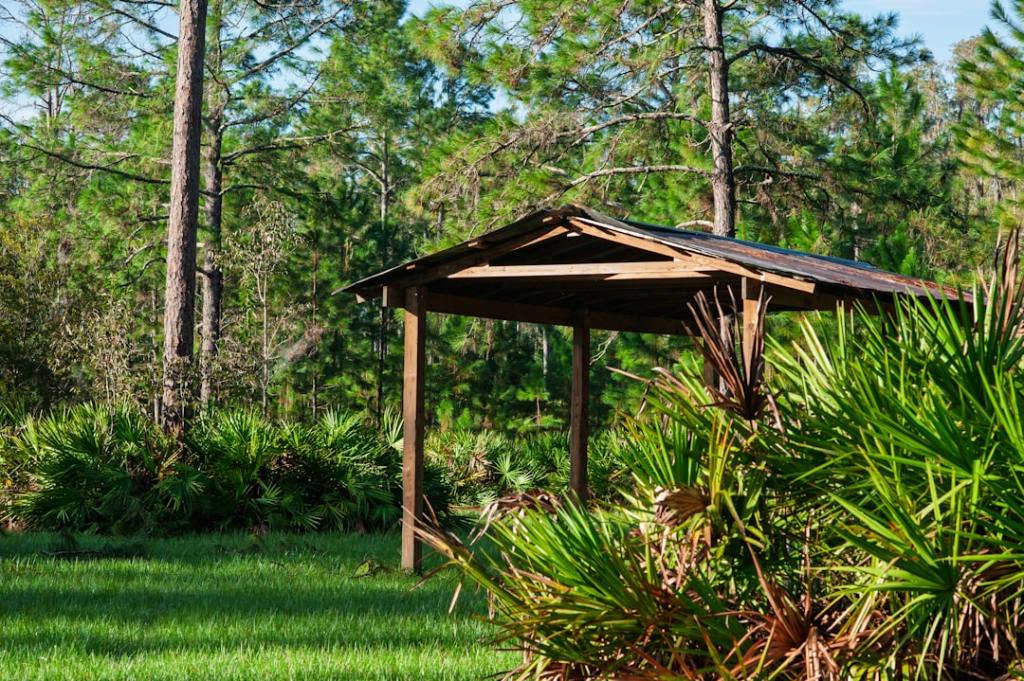
Photo for illustrative purposes only and may not depict the actual property or location discussed.


Leave a Reply